
If you really want to know how to get rid of fleas in your house and yard, then you’re going to have to treat three places at the same time: pets, home interior, and outdoors.
Miss one, and the fleas come back. This is because of the flea life cycle.
Did you know, the fleas you can see are actually adult fleas? Even worse, they only make up a small fraction of what’s actually around your home.
The rest are flea eggs, larvae, and pupae tucked into carpets, cracks, and shaded soil. Which means, nothing you spray on adult fleas will reach the majority of the underlying fleas you can’t see.
Killing adult fleas might feel like progress for a bit, but in a few days the next batch will mature. Then, you’re right back to where you started, wondering what happened.

How to Tell If You Have a Flea Infestation
Typically, you’ll first notice fleas on your pet before ever seeing one anywhere else. Cat fleas are about an eighth of an inch long, dark, fast, and easy to miss in fur.
Watch Your Pet, Not the Floor
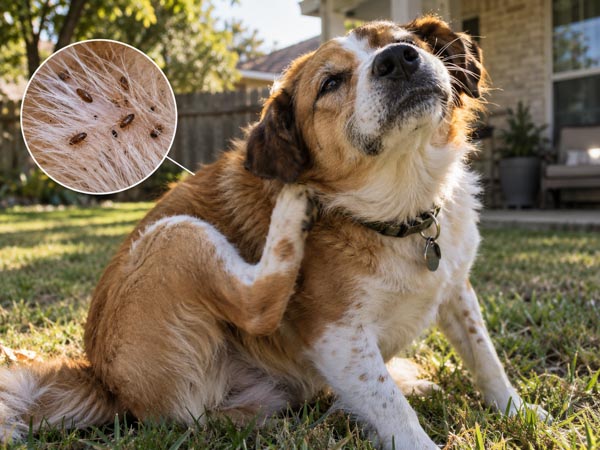
First signals are persistent scratching, biting at the base of the tail, or chewing at the hind legs. Secondly, hair loss along the lower back and near the tail base is another common one.
When in doubt, run a flea comb through your pet’s fur near the tail and belly. These are the areas where fleas concentrate.
Look for Flea Dirt
Flea dirt looks like coarse black pepper in your pet’s coat or on bedding. It’s digested blood, which gives you a simple test.
Brush some onto a damp white paper towel. If the specks smear reddish-brown, that’s flea dirt. This is the easiest way to tell if you have fleas in the house or dust.
Check the Places Fleas Actually Live
Adult fleas live on your pet. Their eggs fall off wherever your pet spends time, which is why pet bedding, upholstery, and carpet are common areas of infestation.
How to Get Rid of Fleas in Your House
For fleas inside the house, assume the problem is in the flooring and fabric.
Treating inside the home is mostly about physically removing immature fleas while preventing the surviving flea population from reaching adulthood.
Vacuum More Aggressively than Feels Reasonable
It might seem obvious, but vacuuming is a really effective way to start. Texas A&M AgriLife Extension reports that vacuuming removes up to 60% of flea eggs and up to 30% of larvae from carpet. This is because vacuuming strips out the organic debris larvae feed on.
Don’t forget to vacuum carpets, rugs, upholstery, cushion seams, baseboards, and under furniture. The CDC’s flea prevention guidance suggests vacuuming often and washing pet bedding regularly.
Always empty the vacuum canister or bag outside into a sealed trash bag every time.
Wash Everything the Pet Touches
Pet bedding, throw blankets, slipcovers, and the dog-crate pad all need to be washed. Your washer should be on the hottest water setting and your dryer cycle should be set to the hottest temperature. This is the surest way to kill every flea life stage at once.
Treat with an Insect Growth Regulator, Not Just an Adulticide
Most DIY steps skip the insect growth regulator by only using adulticide. But this is actually the step that can break the endless flea cycle.
Insect growth regulators (e.g., methoprene and pyriproxyfen) don’t kill adult fleas. They prevent flea eggs and larvae from maturing.
Texas A&M AgriLife Extension explains that methoprene breaks down in sunlight, which means it’s an indoor product. Also, they mention that a growth regulator can take four to six weeks to bring the flea population down. That’s not failure. That’s the product working on the flea population you can’t even see.
When you choose professional interior pest control like CitiTurf, we’ll pair a growth regulator with a targeted adulticide along baseboards, cracks, crevices, and wall voids. These are the pathways where larvae are actually developing.
Don’t Treat the House and Forget the Pets
Think of your pet as the mobile part of the flea infestation. And it’s also the part that can reset all of your flea treatments.
Keep in mind, just one female flea lays about 27 eggs a day. These eggs don’t stay on your pet though. They fall onto whatever surface your pet is standing on, keeping the cycle going.
For these reasons, it’s important to treat your pet while you’re treating your home. Use a veterinarian-recommended product, year-round, and follow the label exactly. As always, talk to your vet to find the right treatment for your pet.
How to Get Rid of Fleas in Your Yard
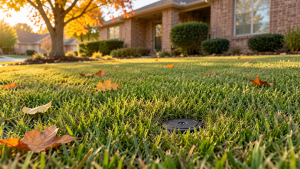
You might be surprised to know that you don’t need to treat your whole lawn for fleas. Fleas are pickier about the places they concentrate in than you’d expect. To get rid of fleas in your yard, you have to know which ten percent of your lawn matters.
Fleas Avoid Sun and Dry Ground
Flea larvae die in relative humidity below 50% as well as when soil temperatures climb above 95°F. Which means, an open, sunny North Texas lawn in July is hostile to fleas.
Target the Shaded, Moist Zones
Fleas in the yard concentrate in shaded areas with retained moisture. Coincidentally enough, fleas concentrate in pet resting areas inside those shaded areas. Think about where your dog actually lies down when it’s hot out.
Here are the zones that actually matter:
- Under decks, porches, and raised sheds
- Along the north side of the house and fence lines
- Under dense shrubs, ground cover, and low-hanging foliage
- Around dog houses, kennels, runs, and shaded patio furniture
- Crawl spaces and any cool dirt a pet can reach
Prep Before You Treat
Mow, then rake out leaf litter and debris in those zones. CDC guidance specifically mentions how mowing exposes soil to sun, which fleas avoid, and raking removes the debris that shields larvae from treatment.
And remember, skip the over-watering in shaded beds. Humidity is what flea larvae need most, and shaded ground in Collin County holds it far longer than open turf does.
Why Fleas Keep Coming Back After Treatment
Ever wonder why fleas keep coming back after treatment? This is why it’s important understand something called the pupal stage.
The flea life cycle looks something like this:
- Egg
- Larva
- Pupa
- Adult
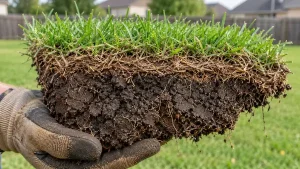
Eggs fall off your pet and hatch within a few days. Then, larvae feed on debris in carpet fibers and shaded soil for roughly five to eleven days before eventually spinning a cocoon.
And then, the pupae wait.
Texas A&M AgriLife Extension explains that a pre-adult flea can stay dormant inside a cocoon for up to five months. It’s also important to know that a flea’s cocoon is waterproof, sticky, wedged deep in carpet piles, and effectively immune to insecticide. Fleas only emerge when they detect a host through vibration, body heat, and exhaled carbon dioxide.
In other words, even after a treatment, you could walk across your living room and see fleas. That doesn’t mean the treatment is failing. It means the dormant pupae are hatching into an environment that will now kill them. As a result, this is why follow-ups matter and things may look worse for the first two weeks before looking better.
Texas A&M AgriLife Extension recommends follow-ups 7 to 10 days after the first treatment. Keep vacuuming during this time because the vibration triggers pupae to emerge early (which is what you want).
Why Flea Season Lasts So Long in North Texas
Ever feel like flea season lasts forever in North Texas? Our long warm season is a big reason why.
The National Weather Service puts DFW’s average first freeze around November 22 and the average last freeze around March 12. That leaves fleas plenty of time to reproduce, and in good conditions they can complete an entire generation in under a month.
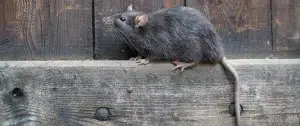
Then, you have to consider wildlife. Even Plano, Allen, and McKinney neighborhoods deal with opossums, raccoons, feral cats, and rodents, which all carry cat fleas.
Unfortunately, the link between wildlife and flea infestations isn’t just an issue for those of us in Collin County. Texas DSHS reports the Dallas–Fort Worth metroplex as a newly endemic area for flea-borne typhus, carried by cat fleas with opossums and rodents as the local reservoir, with more than 1,100 cases statewide in 2025.
Even worse, flea season doesn’t end indoors. Heated homes hold fleas in the house through January, which is why year-round pet protection matters more in North Texas than in colder states.
Do Home Remedies Actually Get Rid of Fleas?
Some home remedies help with fleas, but none of them actually get rid of them.
Like we discussed earlier, most home remedies only work on the flea adults you can see. But the adult fleas are only the smallest piece of the infestation. To get rid of fleas naturally, treat home remedies as support for the real plan, not a replacement.
| Method | Can It Help? | Main Limitation |
| Vacuuming | Yes, very effective | Removes up to 60% of eggs, 30% of larvae; misses the rest |
| Hot-water washing of bedding | Yes | Only works on what fits in the washing machine |
| Dish soap + light trap | Yes, as a monitor | Catches adults only; useful for gauging severity, not control |
| Flea comb | Yes, for the pet | Removes adults; does nothing to the environment |
| Diatomaceous earth | Limited | Must stay bone-dry; clumps in humidity; messy on carpet |
| Salt or baking soda on carpet | Minimal | Little evidence of real larval control; can abrade fibers |
| Essential oils (cedar, lemon, mint) | Minimal | Mostly repellent, short-lived; several are toxic to cats |
| Beneficial nematodes | Limited | Needs consistent soil moisture and shade to survive |
| Mowing and raking shaded zones | Yes, real prep value | Reduces habitat; doesn’t kill existing larvae |
Did you notice what’s missing from this list? Anything that stops flea eggs and larvae from maturing across the whole house. That’s the gap an insect growth regulator fills, and no pantry item replaces it.
How to Keep Fleas From Coming Back
Preventing fleas from coming back mostly comes down to treating infested areas, household pets, and protecting against wildlife recurrences. Once your yard is clear, the everyday maintenance becomes low-effort.
Every Week
- Vacuum carpets, rugs, and upholstery (especially near areas your pet rests)
- Wash pet bedding in hot water
- Mow, and keep shaded beds from staying soggy
Every Month
- Walk the shaded areas of your yard and thin dense ground cover where you can
- Check under decks and porches for signs of animals denning
- Confirm your pet’s flea product is current
Ongoing
- Keep pets on a veterinarian-recommended product year-round, not just in summer
- Seal gaps under decks, sheds, and crawl spaces
- Store pet food in sealed containers and keep tight lids on trash and compost
- Clear brush piles and debris along fence lines
When Should You Call Pest Control for Fleas?
When the problem has outgrown the vacuum, it’s time to contact pest control for fleas.
- You’re still seeing fleas three to four weeks into consistent DIY effort
- Family members are getting bitten around the ankles indoors
- You have both fleas in the house and fleas in the yard at the same time
- Multiple pets, or a pet that goes in and out constantly
- You’ve spotted opossums, feral cats, or rodents on your yard
- The infestation started before you moved in, from a previous owner’s pet
The practical case for hiring professional pest control is coverage. The best way to get rid of fleas is to treat your home’s interior as well as exterior hot zones, all while treating the pet within the same short window. All of this is difficult to coordinate on a weekend.
CitiTurfl flea and tick control treats lawn and landscaping outdoors plus carpets and interior areas, with one treatment designed to hold for three to four months. Every treatment is covered by our Peace of Mind Promise. If fleas or ticks show after our visit, just call or text us and our team will come back out at no additional cost to you. Broader pest control programs handle the rodent and wildlife pressure that brings fleas back in the first place.
Related Resources
From the CitiTurf Blog:
- Indications of a Flea Infestation & How to Proceed
- Pest Control in North Texas: A Homeowner’s Complete Guide
- Chigger Control in North Texas: The Two-Week Rule