

If you live in Plano, Frisco, or anywhere in Collin County, you know that keeping a great lawn takes real effort. One season everything looks perfect, and the next you’re dealing with dandelions, clover, and thistle everywhere. These weeds aren’t just an eyesore — they compete directly with your grass for sunlight, water, and nutrients.
At CitiTurf, we help homeowners across North Dallas stay ahead of weeds — without making it complicated. You want a lawn that looks great when you pull into the driveway: green, thick, and well-maintained. Not one that’s slowly being taken over by weeds while you figure out what went wrong.
That’s where pre-emergent weed control comes in — it stops weeds before they ever break the surface.
What is Pre-Emergent?
Pre-emergent weed control works by creating a protective barrier in the top layer of your soil. As weed seeds begin to germinate and push upward, they hit this barrier — and stop growing before they ever reach the surface.
The result is simple: fewer weeds in your lawn, handled at the source instead of after they’ve already become a problem.
Can I Mow After the Barrier is Down?
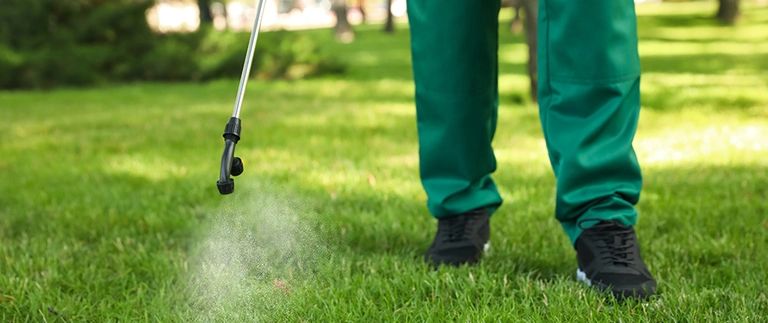
A common concern we hear from homeowners in Frisco, Allen, and across North Texas is that mowing right after a pre-emergent treatment will remove the protection. The good news: once the product is watered in and settles into the soil, mowing won’t affect it. The barrier forms below the surface, not on your grass blades.
That said, we do recommend watering after application before you mow. This helps the pre-emergent work its way into North Texas clay soil — which is notoriously dense — so it can form a solid barrier before any surface activity disturbs it.
The 58-Degree Rule (Timing The Application)

In North Texas, timing isn’t just a suggestion; it’s the difference between a clean lawn and a yard full of weeds. Here is more information on Weed Control Is Essential to Your Lawn’s Success This Spring.
Year-Round Defense: While the early spring is the ideal time for preventing warm season weeds, applying treatments at other times (like the fall to stop Poa Annua) ensures your lawn to have weeds under control in the cooler months too.
The Sweet Spot: The best time for this “protective barrier” to be applied is in the early spring and fall.
The Science: Weeds start their engines in the spring and fall seasons when your soil temperatures reach around 58 degrees fahrenheit in the spring and 70 degrees in the fall.
Specific Targets: Crabgrass seeds are particularly aggressive, germinating once soil temperatures are consistently above 55 degrees in the spring.
The Strategy: The goal is to apply the treatments before those seeds have a chance to germinate.
Year-Round Defense: While the early spring is the ideal time for preventing warm season weeds, applying treatments at other times (like the fall to stop Poa Annua) ensures your lawn to have weeds under control in the cooler months too.
Why Weeds Still Break Through
Is pre-emergent a 100% guarantee? Honestly, no. Even with a professional application, you might still see a few invaders.
The Follow-Up: This is why a professional program includes post-emergent treatments to catch the weeds that make it through the initial protective barrier.
The “Not Perfect” Reality: Sometimes weeds break through the barrier. This can happen due to erratic weather, soil conditions, or uneven watering.
Safe for Your Turf: Grass Type Compatibility
One question we get a lot from homeowners in Plano, McKinney, and across Collin County: will pre-emergent damage my grass? The short answer is no. Whether your lawn is Bermuda, St. Augustine, or Zoysia, our pre-emergent weed control program is designed to work safely with the grass types most common in North Texas.
One important exception: don’t apply pre-emergent to a freshly seeded or sodded lawn. The same barrier that stops weeds will also prevent new grass seeds from establishing. We recommend waiting at least six weeks after seeding, or until new sod is fully rooted (up to 3 months).
We’ve been dialing in this balance since 2005 — nearly 20 years of treating residential lawns right here in Collin County.